Introduction
In an age where health emergency situations can strike at any moment, the capacity to perform CPR (Cardiopulmonary Resuscitation) is indispensable. Whether you are a moms and dad, educator, healthcare specialist, or simply somebody that wants to be prepared, enlisting in a high quality CPR course can make all the distinction. But what makes a wonderful CPR course? Insights from local teachers expose that a number of crucial elements contribute to reliable training. This write-up will certainly dive into those aspects and offer understandings based upon the experiences of neighborhood instructors throughout numerous regions.
What Makes a Great CPR Course?
A great CPR course is not practically finding out exactly how to perform chest compressions and rescue breaths. It includes a range of aspects that boost the finding out experience and make certain participants feel confident in their abilities. Right here are some necessary elements:
1. Quality Instruction
The foundation of any kind of successful CPR course is its instructor. An educated and skilled instructor can develop an interesting understanding atmosphere that fosters understanding and skill proficiency.

1.1 The Duty of Experience
Instructors with hands-on experience in emergency scenarios bring real-world insights right into their training. Their individual stories and narratives aid illustrate the relevance of each skill learned during the course.
1.2 Mentor Style Matters
Instructors that utilize different mentor methods-- like demos, hands-on practice, and multimedia discussions-- can cater to various learning styles, guaranteeing that every person realizes the material.
2. Comprehensive Curriculum
A well-structured curriculum is critical for covering all needed elements of mouth-to-mouth resuscitation and emergency treatment training.
2.1 Important Topics Covered
A terrific CPR course ought to cover:
- Adult CPR Pediatric CPR Choking alleviation techniques Use of an Automated External Defibrillator (AED) First Help basics
2.2 Addition of Advanced Techniques
Courses that also touch on advanced techniques-- like just how to take care of specific emergencies-- are especially useful for professionals like childcare service providers or health care workers.
3. Hands-On Practice
Theory alone isn't enough; useful application strengthens learning.
3.1 Ability Stations
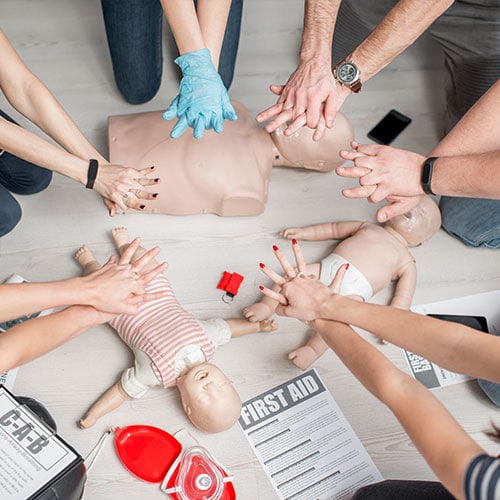
Incorporating ability stations enables pupils to exercise techniques consistently under guidance, which builds self-confidence prior to they experience real-life situations.
3.2 Simulation Scenarios
Simulated emergencies supply students with a chance to apply their abilities in high-pressure scenarios, mirroring what they can face outside the classroom.

4. Qualification Acknowledged by Authorities
Recognition from reliable companies guarantees that grads have actually fulfilled market standards.
4.1 Country wide Recognized Certifications
Courses that provide accreditations certified by recognized bodies (like the American Heart Association or Red Cross) bring weight in specialist settings.
5. Continuous Support and Resources
After finishing the program, continued access to sources improves retention and encourages ongoing learning.
5.1 Accessibility to Online Materials
Providing on the internet sources for evaluation helps students refresh their understanding when needed.
5.2 Follow-up Workshops
Offering follow-up workshops or refresher courses keeps abilities sharp and current with present guidelines.
6. Versatile Scheduling Options
For numerous individuals, discovering time for training can be challenging.
6.1 Schedule of Classes Nearby
Having options like "CPR Course Near Me" or "Emergency Treatment Courses Near Me" makes it much easier for individuals to sign up without considerable travel commitments.
6.2 Online Understanding Opportunities
Some courses use hybrid designs where individuals can complete theoretical sections online before participating in hands-on sessions in person, accommodating differing schedules.
Importance of Childcare Emergency Treatment Course Training
For those operating in child care setups, specialized training is important because of distinct obstacles provided by kids's composition and psychology.
7. Comprehending Child-Specific Emergencies
Children encounter different dangers contrasted to grownups; consequently, tailored instruction is essential for caregivers.
8. Practical Application in Day Care Settings
Training needs to consist of practice scenarios pertinent to child care settings-- as an example, identifying indicators of choking versus adult procedures.
FAQs
1. What should I try to find when looking for "Child Care First Aid Course Near Me"?
When looking for a suitable course nearby, think about examining instructor qualifications, curriculum comprehensiveness, course availability, and reviews from previous participants.
2. How much time does it normally require to complete a mouth-to-mouth resuscitation Course?
Most fundamental mouth-to-mouth resuscitation programs vary from 4-8 hours relying on whether it's a combined format or completely hands-on guideline; sophisticated training courses may take longer due to added material coverage.
3. Will I get qualification after finishing my mouth-to-mouth resuscitation training?
Yes! The majority of trustworthy programs will certainly release certifications upon effective conclusion that are typically legitimate for two years before needing revival or retraining.
4. Exist age restrictions for taking a Day care First Aid Training?
Typically no; however, lots of programs advise individuals be at the very least 12 years old due to physical needs involved in doing CPR effectively on different age groups including infants and youngsters as component of their educational program emphasis locations like "hltaid012 Child Care Emergency treatment Training".
5. Can I find online alternatives for First Aid Courses near me?
Absolutely! Several companies now provide online styles satisfying both concept demands while enabling hands-on evaluation via live-streaming or taped sessions complied with by practical evaluations at marked facilities adhering to completion demands stated country wide recognized requirements bodies such as HLTAID011 Emergency Treatment Course Country Wide Identified Training (NRT).
6 What makes HLTAID009 CPR Course distinct from various other emergency treatment training programs?
HLTAID009 particularly focuses entirely on cardiopulmonary resuscitation techniques that include adult & & pediatric treatment protocols together with AED use without including added emergency treatment topics covered under various other components such as HLTAID011 which covers wider emergency treatment concepts past immediate heart action measures.
Conclusion
Choosing the ideal CPR course can be complicated First Aid Courses offered the myriad alternatives available today-- from local offerings labeled "CPR Courses hltaid009 CPR Course Near Me Near Me"to specialized workshops like "hltaid012 Childcare Emergency treatment Courses Near Me." Nevertheless, recognizing what makes up excellence in these training programs encourages you as a notified individual ready to take on real-life emergency situations confidently!
By focusing on seasoned instructors delivering comprehensive curriculums through interactive techniques while supplying identified accreditations alongside recurring assistance chances-- you'll be well-prepared not only expertly but personally as well! Welcome this opportunity-- it might conserve a life!
This short article serves as your comprehensive guide toward recognizing what genuinely makes a phenomenal training program within today's educational landscape bordering essential lifesaving skills consisting of Cardiopulmonary Resuscitation (CPR), helping make certain both safety and security & & preparedness amongst neighborhood members all over no matter if they're moms and dads taking care of youngsters's well-being or specialists running within even more demanding medical care environments!